Care worker’s wage ‘justice’ could put other workers in wage ‘jail’
A bill called 'Wage Justice' may deliver exactly that for childcare workers already employed — but what does it cost the ones still trying to get in?

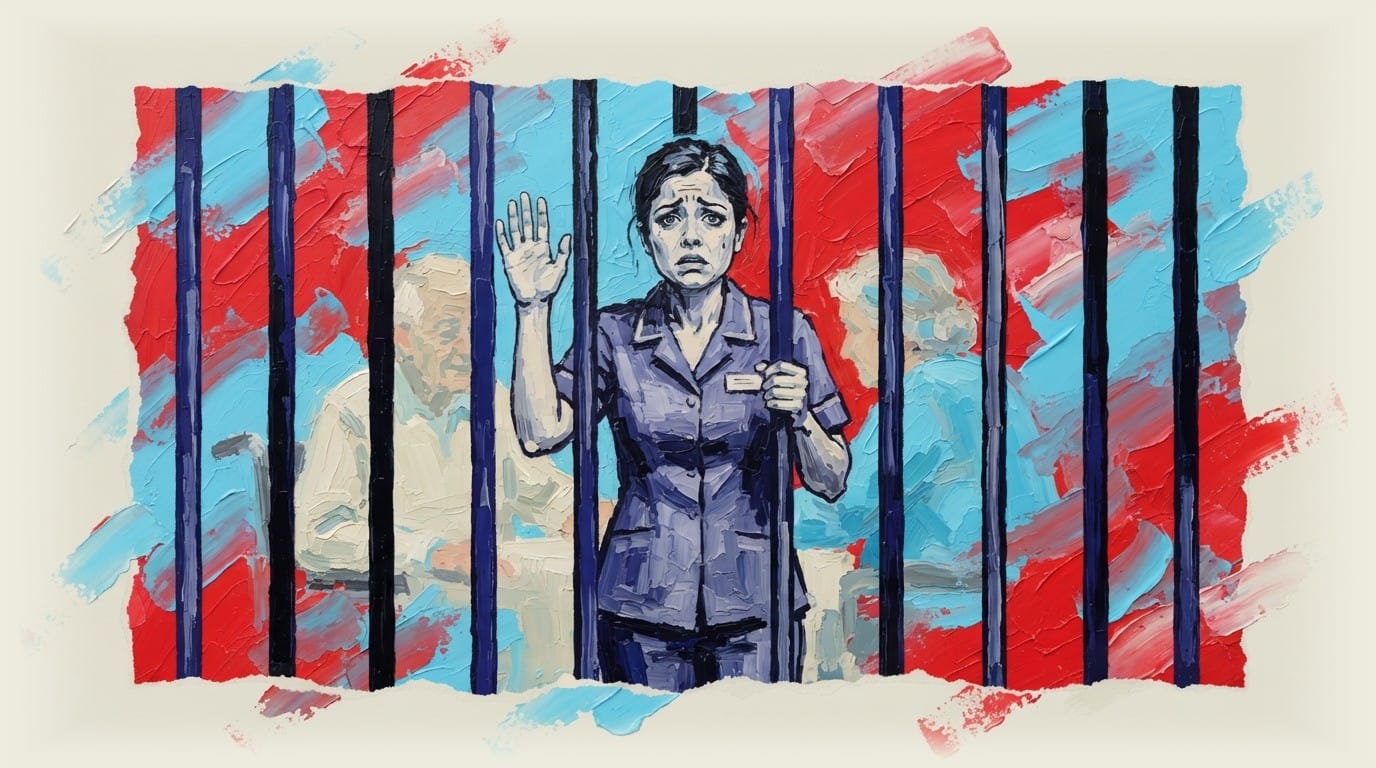
The problem is that the bill's logic, built entirely around wage floors, addresses one failure while creating another. If the underlying issue is that government funding structures have suppressed wages in a publicly subsidised sector, the structural fix is in the funding model, not a separate wage mandate layered on top of it. Fix what the government pays providers, and provider wages follow. Mandate the wage without fixing the funding, and you get operators squeezed from both sides.
The word "justice" in the bill's title deserves one more look. Justice implies a wrong being righted. If current wages are unjust, that wrong was created by a combination of policy settings, funding decisions, and industrial arrangements that governments have shaped for decades. Calling the remedy "wage justice" without acknowledging that the injustice was policy-made is a way of taking credit for solving a problem you helped build. The care workers who have been underpaid deserve better than a rebrand. And the young workers who will find the entry door a little harder to open deserve to be part of the conversation.
Sources
The Bearing — What the evidence actually shows about minimum wage increases
The Bearing — Less people are changing jobs, and that's bad
The Bearing — Higher wages in more industries, but...
Frequently Asked Questions
What is the Wage Justice for Early Childhood Education and Care Workers Bill 2026?
It is a bill currently before a Senate committee that proposes mandated wage floors for early childhood education and care workers in Australia. The government frames it as correcting historical underpayment in a sector that is feminised and publicly subsidised. It is formally titled the Wage Justice for Early Childhood Education and Care Workers (Special Account) (Extending Support and Strengthening Safety) Bill 2026.
Do minimum wage increases for childcare workers hurt employment?
The research consensus is that minimum wage increases do create an employment trade-off — the debate is about how large it is, not whether it exists. Workers who keep their jobs benefit from the higher rate, but workers at the margin — casuals, new entrants, the less experienced — bear the cost through reduced hours or fewer positions being created. In a sector with thin operator margins, that trade-off is sharper than in higher-margin industries.
Why are childcare wages so low in Australia if the sector is publicly funded?
Because government is effectively the dominant funder of the sector, it functions as a monopsonist — a single dominant buyer of labour — and monopsonists tend to suppress wages below what a competitive market would produce. The funding rates governments set for providers flow directly through to what those providers can afford to pay staff. This means the structural cause of low wages is the funding model, not the absence of a wage mandate.
What happens to young workers when wage floors rise in entry-level sectors?
When the cost of hiring an inexperienced worker rises, operators become more selective and start requiring a prior work record before hiring — which is precisely what inexperienced workers lack. The care and early childhood sector has historically been an entry corridor for workers building their first employment record, and raising the floor narrows that corridor. Given that Australia's job mobility rate is already at a record low of 7.2 per cent, policies that make first jobs harder to access compound an existing structural problem.
What would be a better policy alternative to mandated wage floors for childcare workers?
The more direct fix is reforming the government funding model itself: if per-child subsidies or provider funding rates were increased, providers would have more capacity to raise wages without the employment trade-off that a wage mandate creates. Mandating a wage without fixing the underlying funding squeezes operators from both sides — they face higher mandated labour costs without a corresponding increase in revenue from government subsidies.