Hobby clubs ’fix’ loneliness better than any government program.
One in seven young Australians is persistently lonely — and the clubs quietly fixing it cost almost nothing to run.

There is a pub in Sydney's inner west where, every fortnight, strangers gather around a table covered in coloured paper and glue sticks, and leave as something closer to friends. No app recommended the connection. No government program funded it. A woman named Natasha McAnuff just thought other people might want to make things together, and she was right.
Loneliness is a structural problem, not a social media problem
The loneliness numbers are real and they are not trivial. A 2025 NSW Mental Health Commission survey of around 2,000 people found that women aged 18 to 29 were experiencing loneliness at a rate ten percentage points above the state average. Dr Michelle Lim, scientific chair at Ending Loneliness Together, puts the persistent loneliness figure, meaning loneliness lasting at least two years, at roughly one in seven young people. These are not people who lack social media accounts or smartphones. They are people who lack what those things were supposed to replace: consistent, embodied, genuinely reciprocal human contact.
The hobby club model is, structurally, a near-perfect delivery mechanism for that kind of contact. Consider what actually makes connection stick. It is not proximity alone, and it is not a shared demographic. It is shared attention pointed at something outside yourself, repeated over time, with low enough stakes that you can show up imperfect. Scrapbooking does that. Watching a subtitled Iranian film in a small room full of strangers and then arguing about the ending does that. The activity is almost beside the point. What matters is that it gives people a reason to return, and a subject that is not themselves.
A program called "Combating Loneliness in Young Adults" asks participants to first accept a label. A craft night at a pub asks nothing except whether you want to come.
The design insight governments cannot replicate
Gina Lee's Subtitles Film Club solves a practical problem that most loneliness-reduction thinking ignores: the terror of walking into a room full of people you do not know, alone. The club buys a block of twenty tickets and on-sells them at cost, so every attendee arrives already seated with a group. The fear of the solo entrance, which stops a lot of people from attempting community at all, is simply removed. That is elegant, cheap design. No government tender process produced it.
What governments tend to produce instead is infrastructure: community centres, social prescribing programs, funded wellbeing initiatives, digital platforms designed to connect lonely people with activities. Some of this is useful. None of it is what makes the scrapbooking club work. The scrapbooking club works because Natasha McAnuff wanted it to exist and made it exist, because the price of attending is a donation to a jar on the table, and because no one has to identify as lonely to walk through the door. They just have to want to make something.
That last point matters more than it might seem. Dr Lim specifically calls shared interest groups "an amazing non-stigmatised way to get connection." The framing is everything. A program called "Combating Loneliness in Young Adults" asks participants to first accept a label. A craft night at a pub asks nothing except whether you want to come. The second option will always reach more people, because most people experiencing loneliness do not think of themselves as a policy problem to be solved.
The government role is real but it is not leadership
The structural argument against government as the primary actor here is not ideological. It is practical. Governments are poor at generating the organic trust and informal culture that makes a hobby group feel like a community rather than a service. They are good at scale and funding, and scale and funding are not what this particular problem requires. What it requires is thousands of Natasha McAnuffs and Gina Lees, people with a specific enthusiasm and the initiative to share it, operating in their own neighbourhoods, building the kind of thing that cannot be procured.
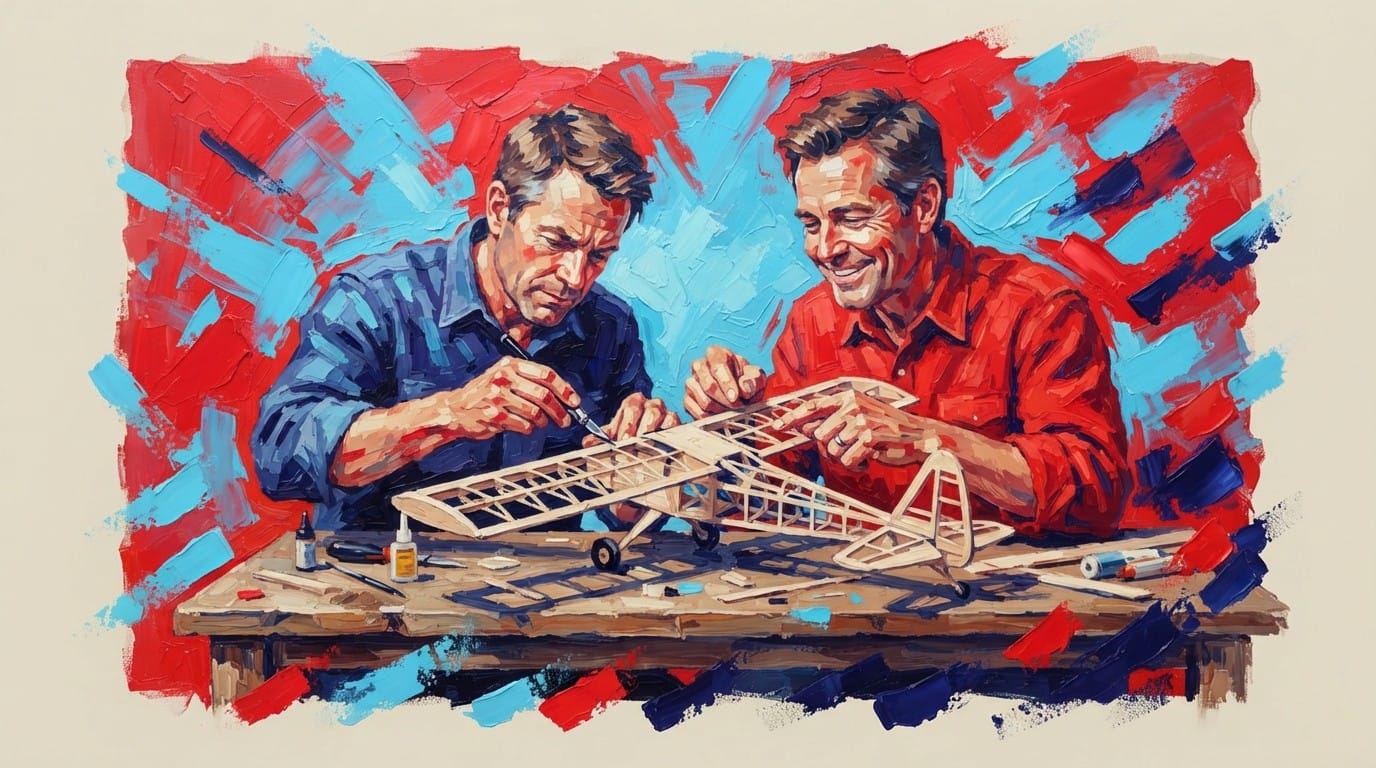
The role for policy is real but narrow. Keeping the venues affordable matters: if every pub and hall and community space is priced out of casual community use, the ecosystem that sustains these clubs dries up. Removing friction, such as the noise permit that shuts down the film night, the liability insurance requirement that kills the model aeroplane club, matters too. There is a meaningful difference between government enabling community and government attempting to manufacture it.
The people making things around that table in Newtown already know the difference. They did not wait for a program. They waited for someone to say: come, we are doing something here. That is, as it turns out, the whole mechanism.
Sources
ABC News — 'People want community': Hobby-based clubs tackling loneliness
Frequently Asked Questions
Why are hobby clubs better at reducing loneliness than government programs?
Hobby clubs create repeated, low-stakes contact around a shared activity — the conditions that actually make social connection stick. Government programs tend to produce infrastructure and funding, which are not the binding constraints, and they require participants to self-identify as lonely, which most people experiencing loneliness will not do.
How many young Australians are experiencing loneliness?
Roughly one in seven young Australians experience persistent loneliness — defined as loneliness lasting at least two years. A 2025 NSW Mental Health Commission survey found young women aged 18 to 29 are experiencing loneliness at a rate ten percentage points above the state average.
What should the government actually do about loneliness?
The practical case is for government to enable rather than lead: keep community venues affordable, remove regulatory friction such as noise permits and insurance requirements that shut down grassroots clubs, and resist the temptation to procure what can only be grown organically.
Why do people avoid programs designed to help with loneliness?
Most people experiencing loneliness do not think of themselves as a policy problem. Programs framed around loneliness require participants to accept that label before walking through the door, which most will not do. A craft night at a pub asks only whether you want to come.
What makes a social club actually work for building community?
The key ingredients are a reason to return, a shared focus that is not the participants themselves, and low enough stakes to show up imperfect. The specific activity matters less than the structure: Gina Lee's film club, for instance, eliminates the anxiety of arriving alone by selling tickets as a group block.