Old Idea: freeze rents. History says it’s a bad idea too.
A rent freeze sounds like relief for renters under pressure — but the same policy has been tried before, and the people it hurts most are the ones it was supposed to help.

Real estate agents reportedly urging landlords to lift rents by 30 per cent. Big banks forecasting further increases. Renters already paying $12,000 more a year than they were five years ago. The Greens' call for an immediate rent freeze is at least understandable as a political response to that situation. The problem is that rent freezes don't fix the situation. They tend to make it worse for the very people they're meant to protect.
The mechanism rewards landlords who exit, not those who stay
The mechanism is not complicated. When a landlord cannot raise rents to market rates, the return on maintaining a property as a long-term rental falls relative to alternatives: selling it, converting it to short-stay accommodation, or simply leaving it vacant until the freeze ends. Some landlords absorb the loss. Many don't. The rental pool contracts. Vacancy rates, already critically low in most Australian capital cities, fall further. And the renters who benefit from the freeze are disproportionately those who already have a lease, not the people sleeping on a friend's couch or caught in a bidding war for a two-bedroom flat in Footscray.
This is not a theoretical concern invented by property lobby economists. A 2019 study by Stanford economists Diamond, McQuade and Qian examined San Francisco's rent control expansion and found it reduced the supply of rental housing in affected properties by 15 per cent, and raised city-wide rents by 5.1 per cent as a result. Landlords converted properties or redeveloped them. The tenants already inside the system won. Everyone outside it paid more. The Australian Housing and Urban Research Institute has flagged the same supply-side risk specifically in the Australian context, noting that all forms of rent control, freezes, caps, and stabilisation measures, carry that risk in a low-vacancy market. Australia right now is a low-vacancy market.
A rent freeze does not add a single dwelling to the market. It addresses the symptom with a policy that actively worsens the underlying condition.
The Greens are diagnosing the right crisis with the wrong instrument
The Greens' framing attributes the coming rent increases to landlord greed and to the removal of investor tax concessions being used as a pretext for profiteering. There is probably some truth to that. Landlord behaviour is not uniformly principled. But greedy landlords operating in a market with more rental supply than demand cannot hike rents freely, because tenants have alternatives. The real driver of rent increases is inadequate supply. A rent freeze does not add a single dwelling to the market. It addresses the symptom with a policy that actively worsens the underlying condition.
We have covered this ground before at The Bearing, and the conclusion held up: rent control reliably shrinks supply over time, benefiting tenants who already hold a lease at the direct expense of people trying to enter the market afterward. The Victorian Greens' rent-cap modelling, examined when it was released, showed the same limitation: it captured only the mechanical price effect for existing renters and ignored every downstream consequence.
Renters are genuinely under pressure that no political party has answered convincingly. A 23 per cent rent increase over five years against a 5 per cent fall in real wages is not a talking point, it is a compounding hardship affecting millions of households. The anger driving the call for a freeze is legitimate. The policy itself is not the answer.
More housing is the only intervention that helps everyone in the market
What would actually help is more housing. That means planning reform to allow more density, faster approvals, and lower construction costs. It means a significant expansion of public and community housing, which the Greens also advocate but which tends to get buried beneath the freeze demand that grabs the headlines. It probably also means doing nothing to further deter the private investment that, whatever one thinks of landlords, currently provides most of the rental stock Australians live in.
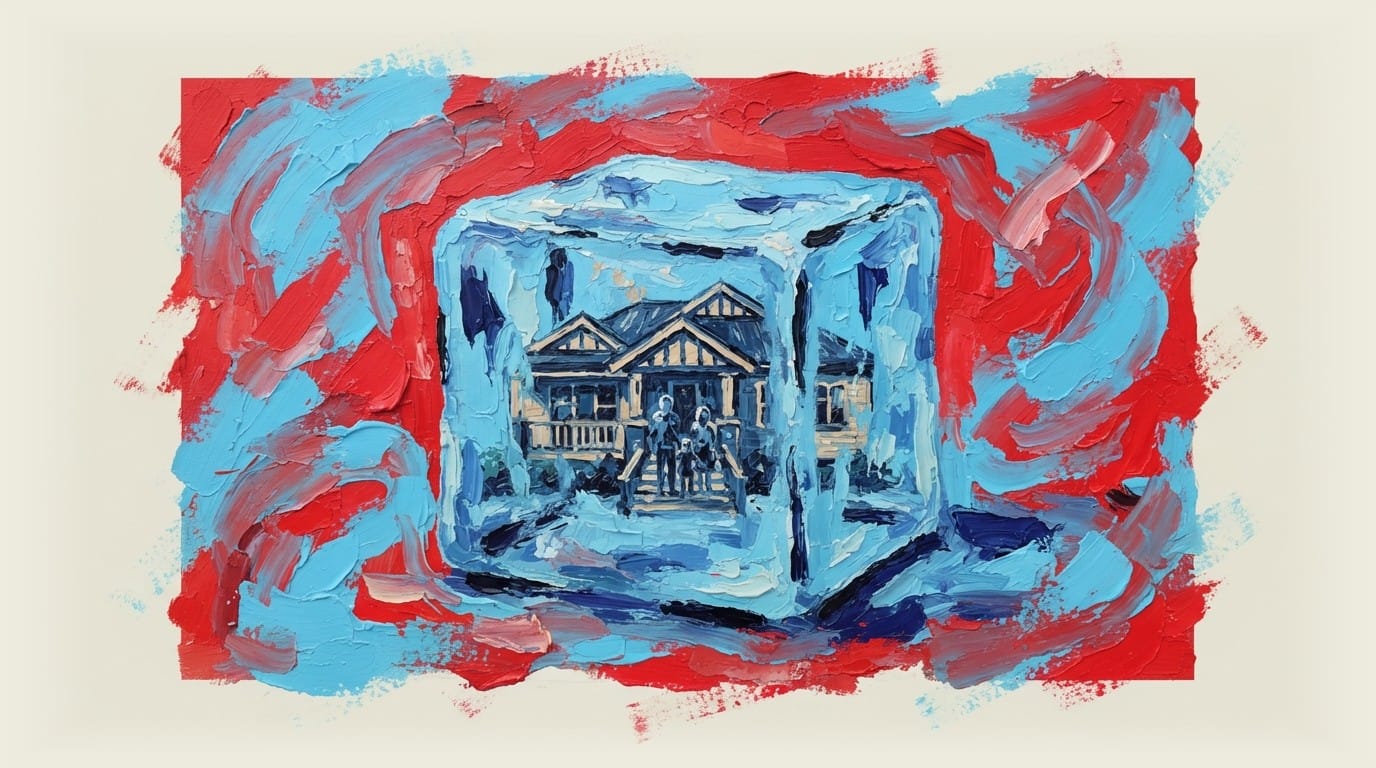
The Greens are right that the government’s housing response has not been sufficient. They are right that renters have been absorbing punishment while policy moves slowly. Where they go wrong is in reaching for a policy instrument that, when pulled, reliably tightens the vice it is supposed to loosen. A rent freeze offers renters a photograph of lower costs while the underlying market shrinks around them. The people already inside get some relief. The people outside get less choice, less supply, and eventually higher rents than they would have faced without it.
That is not relief. It is the appearance of relief. And by the time the evidence of harm becomes undeniable, the freeze has already done its damage.
Sources
The Conversation — Rent freezes and rent caps will only worsen, not solve, Australia's rental crisis
CEDA — Why rent control isn't a silver bullet for our housing crisis
AHURI — Understanding what a rent freeze, rent cap or rent control means
Australian Greens — Renters can't cop another 30% rent increase
The Bearing — Why rent control keeps failing the renters it's meant to help
The Bearing — Rent caps save renters money if you ignore all flow-on effects
Frequently Asked Questions
Why do rent freezes make the rental crisis worse?
When landlords cannot charge market rents, the return on keeping a property as a long-term rental falls, so many sell, convert to short-stay, or leave properties vacant. The rental pool shrinks, vacancy rates fall further, and tenants trying to enter the market face less supply and eventually higher rents than they would have without the freeze.
Has a rent freeze ever worked?
The evidence from comparable markets is consistently negative on supply. A 2019 Stanford study of San Francisco's rent control expansion found it cut rental supply in affected properties by 15 per cent and pushed city-wide rents up 5.1 per cent as landlords converted or redeveloped. Tenants already holding leases benefited; everyone else paid more.
Who actually benefits from a rent freeze?
Existing tenants who already hold a lease get a direct price benefit. The people who lose out are those trying to enter the rental market — the supply of available rentals contracts, and over time rents in the broader market rise above what they would have been without the freeze.
What would actually bring rents down in Australia?
More housing supply is the only intervention that reduces rents for everyone in the market, not just existing tenants. That means planning reform to enable higher density, faster approvals, lower construction costs, and a significant expansion of public and community housing — none of which a rent freeze delivers.
Are Australian renters really worse off than five years ago?
Yes. Rents have risen approximately 23 per cent over five years while real wages have fallen around 5 per cent, meaning the effective burden of rent has compounded significantly. In dollar terms, renters are paying roughly $12,000 more per year than they were five years ago.