Queensland settles $66m Fortescue dispute in secret, keeps the land
Queensland says it kept value from a $66m failed hydrogen bet — but the settlement terms are secret and the assets have never been valued against the original outlay.

Queensland settles $66m Fortescue dispute in secret, keeps the land
The Queensland government has settled its dispute with Fortescue over $66 million in public money advanced for an electrolyser manufacturing plant in Gladstone. In exchange for dropping claims tied to the former government's funding, the state has taken ownership of the project land, an electrical substation and associated common-user infrastructure. The full terms remain confidential, so taxpayers have no independent way to measure whether the settlement recovered their money or simply secured the physical remnants of a project that never produced a single electrolyser.
Gladstone was supposed to be the missing piece of Australia's hydrogen chain
The background is familiar to anyone who has watched governments chase the green hydrogen dream. In the early 2020s Gladstone was positioned as a natural hub: deepwater port, established heavy industry, existing gas and power connections. Electrolyser factories were seen as the missing piece that would turn Queensland into an exporter of green hydrogen equipment and eventually the hydrogen itself. The previous government committed $66 million to lure Fortescue, one of the biggest players in the space, hoping the public money would de-risk the project enough for private capital to follow.
It did not. Like many hydrogen initiatives around the world, the Gladstone proposal ran into the gap between ambition and arithmetic. Electrolyser costs remain high, renewable power to run them at scale is not yet cheap enough, and buyers willing to sign long-term contracts at premium prices have proved scarce. Fortescue quietly wound back its plans. The funding became a point of contention. Rather than litigate in public over what was effectively a conditional grant, the parties chose a negotiated exit.
"Other agreed arrangements" is doing a lot of work in the settlement statement
The joint statement released this week strikes an optimistic tone. It says the settlement "ensures that value from the State's $66 million investment has been retained in Queensland for Queensland taxpayers" through the land transfer, the substation and "other agreed arrangements". Those three words carry weight. They hint at cash, guarantees, or further concessions without revealing them. The assets themselves are not trivial. Industrial land near Gladstone's port holds strategic value, especially for energy-intensive processing. A dedicated electrical substation is even more useful, it represents one of the biggest barriers to new projects in a state still wrestling with transmission constraints. In theory the government can now offer that package to another investor, perhaps one focused on critical minerals refining or battery components rather than hydrogen.
Confidentiality at the point of exit reduces the political cost of failure for both sides. Fortescue avoids a protracted fight and any obligation to repay in full. The government can announce it has secured assets and moved on without awkward questions about how much was lost.
Yet the decision to keep the numbers confidential sits awkwardly with the language of accountability. Public money was advanced on the premise that it would create manufacturing jobs and seed an export industry. When that premise collapsed, the public interest shifted to damage control: how much of the $66 million could be clawed back or replaced by assets of equivalent worth? Without disclosure, there is no way to test the claim that value has been retained. An independent valuation of the land and substation could be compared against the original outlay. Any additional payments or offsets could be itemised. None of that is available.
Confidential exits weaken the discipline that should govern future subsidies
This is not an abstract transparency complaint. It matters for incentives. When governments use taxpayer funds to back specific commercial projects, especially in fashionable sectors, they create an asymmetric risk profile. The company can walk away if the economics sour. The taxpayer cannot. Confidentiality at the point of exit reduces the political cost of failure for both sides. The government can announce it has secured assets and moved on without awkward questions about how much was lost. The loser is the feedback mechanism that should discipline future spending decisions.
The substation is a genuine asset — if paired with realistic demand
Queensland has form in this terrain. Its critical minerals strategy talks up Gladstone as a processing hub but, as earlier analysis showed, often treats infrastructure as a given rather than something that must be paid for and maintained. The substation now in public hands could become a genuine asset if paired with realistic demand. Or it could sit as an expensive reminder of how subsidy-led industrial policy tends to over-promise on emerging technologies. Global experience with hydrogen electrolysers has been sobering. Announced gigafactories have been delayed or downsized from Europe to the United States as costs collide with market realities. Australia's version appears to have followed the same trajectory.
There is a pragmatic case for the settlement. Litigation is expensive and uncertain. Securing physical assets avoids total loss and keeps options open for the region. The new government inherited a commitment it did not make and has chosen a practical exit over ideological purity. Yet pragmatism does not require secrecy. A short summary of the financial reconciliation, even without revealing commercially sensitive details, would allow scrutiny. Taxpayers could see whether the land and substation were valued at anywhere near $66 million, whether Fortescue contributed any cash top-up, and what "other agreed arrangements" actually entailed.
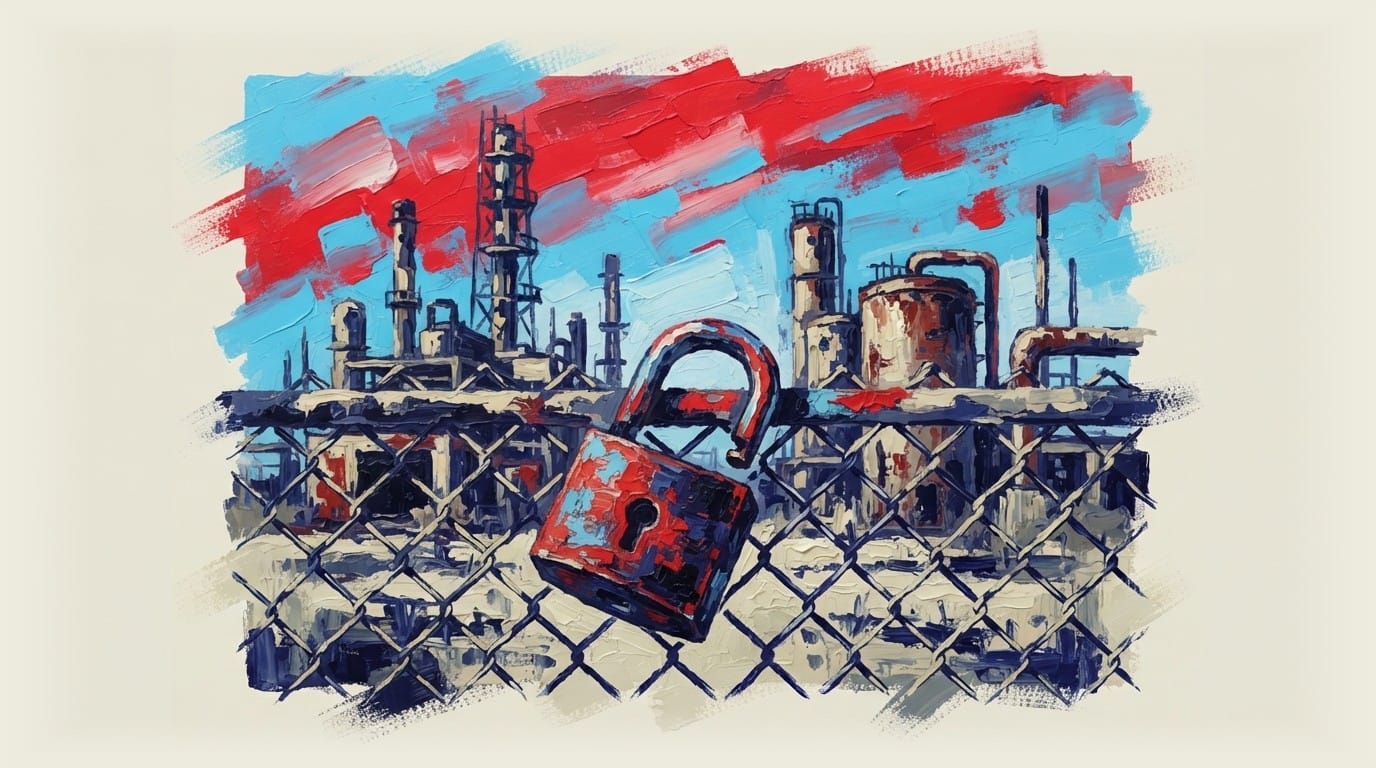
Instead the public is asked to accept the government's assurance that value has been retained. That might be true. Without evidence it is simply an assertion. In an era when budgets are tight and every spending decision crowds out something else, voters have a legitimate interest in knowing the score. An open padlock on the gate of an abandoned industrial site makes for a vivid image. It suggests something has been reclaimed. Whether the books balance is another question, one the confidential settlement has placed beyond easy reach.
The episode illustrates a recurring pattern in industry policy. Governments pick a technology, offer money to attract big names, then confront the gap when private economics diverge from political timelines. The assets left behind can sometimes be reused. The habit of shielding the final accounting from view is harder to repurpose. Queensland now owns the land and the substation. It does not yet own a clear story about what happened to the $66 million.
Sources
Queensland Government — Joint Media Statement: Crisafulli Government and Fortescue
The Bearing — Queensland's critical minerals plan skips something critical
Fortescue — Gladstone Electrolyser Project Update
Frequently Asked Questions
What did Queensland get back from Fortescue in the $66 million settlement?
Queensland received ownership of the project land near Gladstone's port, a dedicated electrical substation, and associated common-user infrastructure. The settlement also references 'other agreed arrangements' whose financial terms have not been disclosed.
Why is the Queensland government keeping the settlement terms secret?
The government has not given a specific reason for the confidentiality. Both parties chose a negotiated exit rather than public litigation, and commercial settlements of this type routinely contain confidentiality clauses. The practical effect is that taxpayers cannot verify whether the assets received are worth close to the $66 million originally advanced.
Did the Gladstone electrolyser factory ever get built?
No. Fortescue wound back its plans before any electrolysers were manufactured. The project ran into the same economics that have stalled hydrogen manufacturing globally: high electrolyser costs, expensive renewable power at scale, and a shortage of buyers willing to commit to long-term contracts at premium prices.
What happens to the Gladstone substation now that Queensland owns it?
The government has not announced a specific plan. The substation represents genuine strategic value because transmission constraints are one of the biggest barriers to new industrial projects in Queensland. In theory it could be offered to another investor in critical minerals processing or battery manufacturing, but no framework for that allocation has been disclosed.
Is confidential settlement of failed government subsidies normal in Australia?
Commercial confidentiality clauses are common in government settlements, but that normalcy does not resolve the accountability problem. When public money backs a project that fails, the terms of exit are a matter of public interest — taxpayers cannot assess whether damage was minimised or whether the confidentiality shields both parties from scrutiny they would otherwise face.