Union muscle: how industrial disputes turned to intimidation
A defence contractor found a tracking device under his car. His dog was taken to the vet. What is the Queensland CFMEU inquiry actually surfacing?

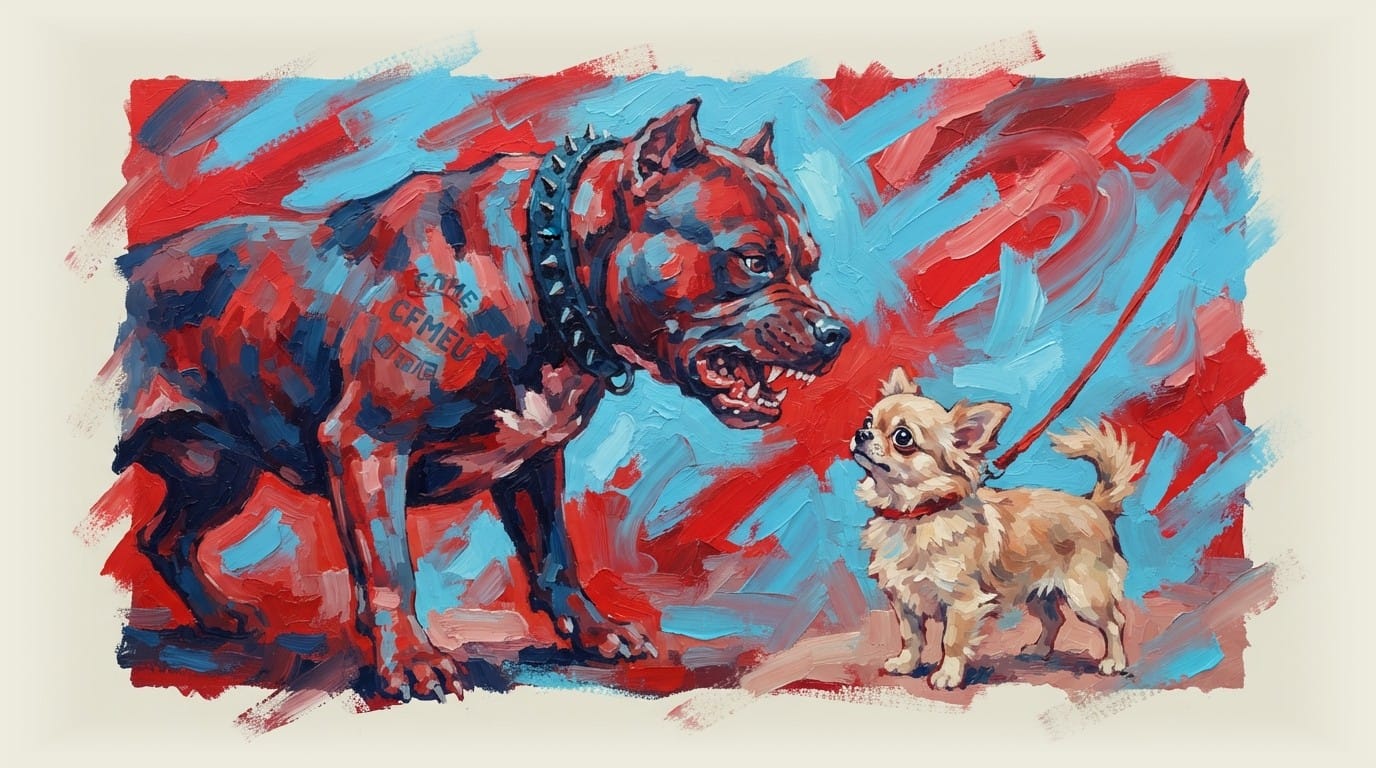
A private security contractor with a career spanning defence work and Iraq deployments told a Queensland inquiry last week that nothing in his professional life had prepared him for what a domestic industrial dispute put him through. Tracking devices under his car. Drones over his house. His dog taken to the vet, likely baited. Grant Killen, managing director of Concentric Concepts, was not describing a criminal enterprise in some foreign jurisdiction. He was describing a construction site dispute in suburban Brisbane.
The Centenary Bridge dispute is the inquiry's sharpest material yet
The Centenary Bridge dispute gives the inquiry its sharpest material yet. Killen told commissioners he was engaged by contractor BMD to provide security during a long-running dispute with the CFMEU. On 17 May 2014, driving back from the project site, he pulled his car onto a hoist and found a tracking device fitted to the undercarriage. He left it in place, knowing it had an anti-tamper switch, then drove toward Carindale with a white SUV on his tail. He ran a red light. It followed. He performed an aggressive U-turn. It followed. He eventually abandoned the car in Bulimba, an area with no connection to his family, and went to the police.
The inquiry was also shown evidence the CFMEU had engaged a former police detective as a private investigator to conduct research into BMD executives. Killen said he spotted the man outside his home.
The dog poisoning allegations involve more than one household. Killen believes his own dog was baited around this time, with drones he had been observing near his home a possible delivery mechanism. BMD executive Mick Power's dog was also allegedly poisoned during a period when, his son Scott told the inquiry, the CFMEU was running a targeted street campaign around the family home. Scott Power said drones had not been seen near the property before the poisoning, nor since.
The pattern the evidence describes — surveillance of security contractors and their families, physical intimidation extending into domestic space, the apparent involvement of outlaw motorcycle gangs is not the picture of a union deploying legitimate industrial muscle.
The ABC has been careful to note it is not alleging the private investigator is responsible for the tracking device, the surveillance, or the poisonings. The inquiry has heard the allegations; it has not yet found facts. That matters. These are serious claims made in a formal setting, and they deserve the procedural weight that setting provides. But the pattern the evidence describes, surveillance of security contractors and their families, physical intimidation extending into domestic space, the apparent involvement of outlaw motorcycle gangs is not the picture of a union deploying legitimate industrial muscle.
Organised crime adjacent to an industrial dispute, on both sides
The motorcycle gang dimension has been a thread through this inquiry since the first hearings. Last week's sessions focused on the Comancheros, after it emerged that the security firm HOST Group allegedly brought members of the club to the construction site, where threats were made to a CFMEU delegate. Killen told the inquiry that security workers on site reported the CFMEU was backed by the Bandidos. Both claims remain allegations. But the presence of organised crime adjacent to an industrial dispute, on both sides, suggests the dispute had moved well beyond log of claims and protected action.
The Victorian inquiry is building a room where witnesses must answer
All of this is Queensland. The Victorian inquiry has not yet fully begun its public hearings, but the expectation among those who have worked in the industry is that what it finds will be at least as confronting. The Victorian division of the CFMEU has operated in a different environment, with a higher density of major projects, a longer history of closed-shop culture, and allegations of standover conduct that have circulated for years without ever being tested at the level of a formal commission. The institutional architecture for examining it now exists.
What the Queensland proceedings have already demonstrated is how much depends on formal process. These allegations have been in circulation for over a decade. It took a commission of inquiry to get them under oath and on record. The evidence the Queensland inquiry is surfacing did not emerge from journalism or regulator action or union accountability mechanisms. It emerged because someone finally built a room where witnesses could speak and the other side had to answer.
Victoria is building that room now. What comes out of it will tell Australians something important about how much of the construction industry's cost, its delays, its culture of deference to organised pressure, traces back to conduct that was never just robust unionism. It was intimidation. The question is how far it went, and for how long it was tolerated.
Sources
ABC News — Queensland CFMEU inquiry hears allegations of tracking tags and dog poisoning
Frequently Asked Questions
What did the Queensland CFMEU inquiry find about surveillance of workers?
The inquiry heard evidence that the CFMEU engaged a former police detective as a private investigator to research BMD executives, and that tracking devices were placed on the vehicles of security contractors during the Centenary Bridge dispute. Witnesses also described drone surveillance of their homes. These are allegations heard under oath — the inquiry has not yet made findings of fact.
Were dogs really poisoned during a union dispute in Queensland?
Multiple witnesses told the Queensland Commission of Inquiry that dogs belonging to security contractors and BMD executives were poisoned during the Centenary Bridge dispute. Drones observed near the properties were suggested as a possible delivery mechanism. The inquiry has heard the claims; it has not determined responsibility.
What is the difference between the Queensland and Victorian CFMEU inquiries?
The Queensland inquiry is already conducting public hearings and has produced detailed testimony about specific alleged conduct during construction disputes. The Victorian inquiry has not yet fully begun its public hearings, but is expected to examine a union culture characterised by a longer history of major projects and more entrenched allegations of standover conduct.
Were outlaw motorcycle gangs involved in the CFMEU dispute?
Evidence before the Queensland inquiry alleges that the security firm HOST Group brought Comancheros members to the Centenary Bridge construction site, where threats were made to a union delegate. Separately, security workers told the inquiry the CFMEU was backed by the Bandidos. Both claims are allegations and have not been tested as findings.
Why does a union inquiry matter for construction costs in Australia?
If the inquiries establish that intimidation and organised pressure were systematic features of major construction disputes, it raises questions about how much of the industry's cost overruns and delays reflect not inefficiency but coercion. The Queensland and Victorian inquiries are the first formal processes to put these longstanding allegations under oath and on the record.