Focus on new homes and forget the existing.
285 public housing homes sit empty in Canberra while 3,650 people wait — so why does fixing them fall to a volunteer with a paintbrush?

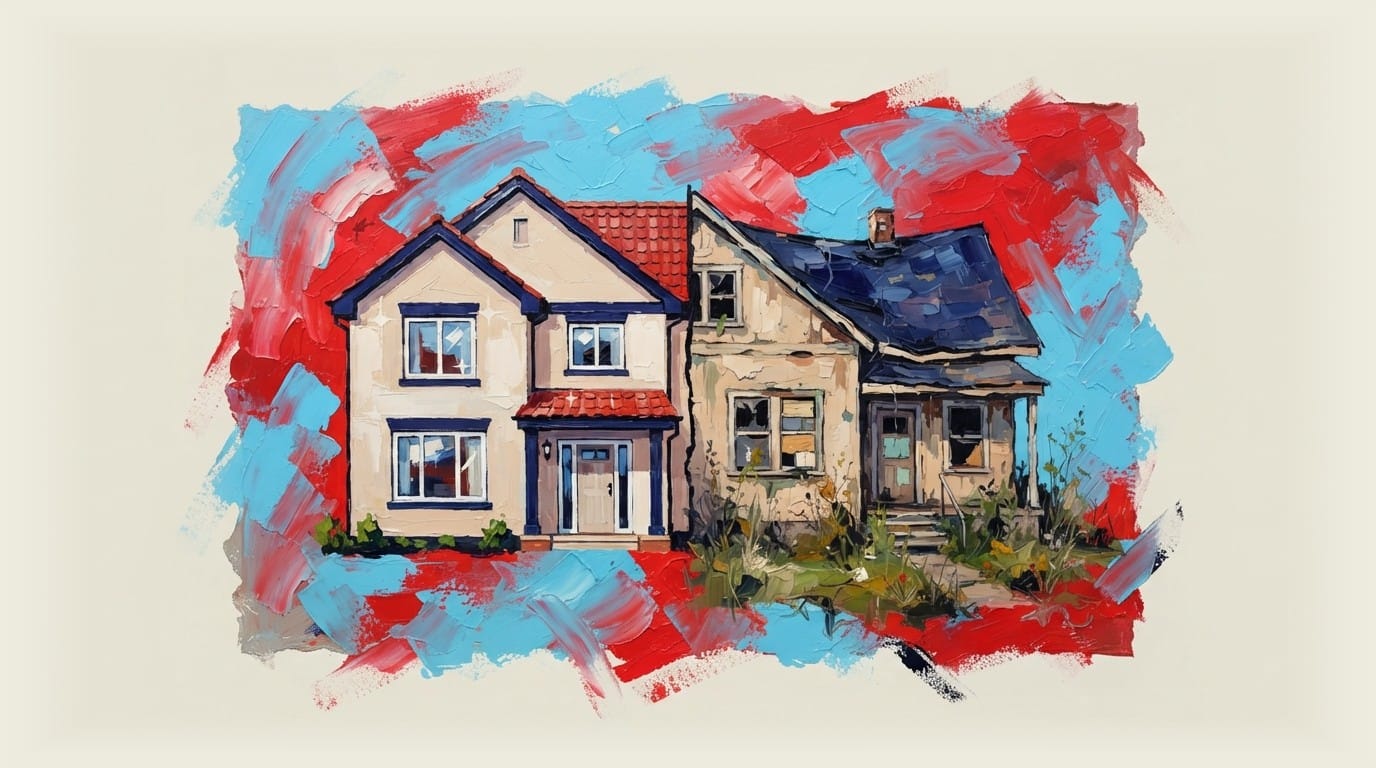
There are 285 public housing properties sitting vacant in Canberra right now, each one in need of maintenance or upgrades before anyone can move into them. While 3,650 approved applicants wait, some for more than five years, the ACT government has not found a way to fix the homes it already owns. Into that gap has stepped Jonny Warren, a real estate agent who was once homeless himself, volunteering to renovate 20 of those properties pro bono and have tenants in them by Christmas.
Warren's story is compelling on its own terms. He fell into addiction as a teenager, found himself on the streets, eventually rebuilt his life and his career, and has now recruited an army of tradespeople willing to show up for nothing. The project has been described as needing more than a fresh coat of paint, and Housing All Australians ACT chair Jo Farrell has made clear that dignity and quality matter, not just speed. But even Warren and Farrell would acknowledge the obvious: 20 homes, fixed voluntarily, does not shift the 580-property vacancy figure, let alone the waitlist behind it.
The political reward for building is high; the political cost of neglect is invisible
What the Canberra situation illustrates is a problem with the incentive structure that sits underneath public housing management, and not just in the ACT. New dwellings generate political capital. A ribbon-cutting, a press release, a number added to a headline target. Maintenance generates none of that. A repaired tap fitting, a repainted wall, a property returned to tenancy after months sitting empty — these are invisible acts, administratively unglamorous, unlikely to appear in an election announcement. The political reward for building a new home is high and immediate. The political cost of leaving an existing one to deteriorate is slow, diffuse and easy to defer.
The political cost of leaving an existing home to deteriorate is slow, diffuse and easy to defer.
The result plays out in budgets over time. Capital expenditure on new construction is easy to justify. Maintenance allocations are easy to trim. And when maintenance is deferred long enough, properties fall below the threshold for occupancy, which is exactly where the ACT's 285 properties now sit. The first half of this year, the public housing waitlist grew by more than 150 approved applicants while the number of vacancies grew by more than 50. That is not a construction failure. That is a management and maintenance failure.
This failure recurs wherever maintenance is invisible and new investment is legible
This pattern is not unique to public housing. It appears wherever the return on maintenance is invisible and the return on new investment is legible. It shows up in transport infrastructure, in hospital capital versus health workforce, in school buildings. The mechanism is always the same: the thing that photographs well gets funded, and the thing that keeps the existing system running gets quietly starved. We have written before about how government housing programs tend to generate worse outcomes than their stated goals suggest, and the maintenance backlog problem is a version of the same failure, just at the operational rather than the construction level.
The 1.2 million homes target frames housing as a construction problem — and leaves maintenance unasked
The national policy conversation about housing affordability has been dominated for years by demand-side interventions and new supply targets. State and federal governments compete on dwelling commencement numbers. The 1.2 million homes target under the National Housing Accord is the frame through which housing policy is largely evaluated. That framing encourages governments to think about housing as a construction problem, because construction produces a number that can be tracked and announced. The harder question, how many homes are you actually keeping in serviceable condition, tends not to appear in the same sentence.
There is a fair version of the counter-argument. New supply is genuinely necessary, and it is not wrong to prioritise it. Building more homes remains one of the most effective ways to ease pressure across the entire market. The construction pipeline matters. But "new supply is important" does not mean "existing stock does not matter," and the Canberra situation is evidence of what happens when those two things are treated as mutually exclusive rather than complementary.
Warren wants the ACT government to approve his 20 properties and let his volunteers get to work. That should be easy to say yes to. But the more important response is the structural one: a maintenance funding model that does not require a formerly homeless real estate agent to organise a pro bono working bee to keep publicly owned homes from sitting empty. The homes are already built. The people who need them are already waiting. The only thing missing is the institutional will to treat a paint job and a carpet replacement as housing policy.
Frequently Asked Questions
Why are there so many vacant public housing properties in Canberra?
The ACT government's 285 vacant public housing properties are sitting empty because of maintenance backlogs — they need repairs or upgrades before anyone can move in. The underlying cause is a long-running pattern of deferring maintenance funding while prioritising capital expenditure on new construction.
How long do people wait for public housing in the ACT?
There are currently 3,650 approved applicants on the ACT public housing waitlist, some of whom have been waiting more than five years. The waitlist grew by more than 150 people in the first half of this year alone, at the same time the number of vacant properties also increased.
Why don't governments spend more on maintaining existing public housing?
Building new homes generates visible political returns — announcements, targets, ribbon-cuttings. Maintaining existing stock does not. The political cost of letting a property deteriorate is slow and diffuse, which means maintenance budgets are routinely trimmed in favour of new construction, even when existing homes sit empty.
Does Australia's 1.2 million homes target account for existing housing stock?
The National Housing Accord's 1.2 million homes target measures new dwelling commencements, not the condition of existing stock. That framing encourages governments to treat housing as a construction problem and leaves the question of how many homes are actually being kept in serviceable condition largely unasked.
What is Jonny Warren doing about Canberra's public housing vacancies?
Warren, a real estate agent who experienced homelessness himself, has organised a volunteer effort to renovate 20 vacant ACT public housing properties pro bono, with the aim of having tenants in them by Christmas. He has recruited tradespeople willing to work for nothing and is seeking ACT government approval to proceed.