New tax improvements for small business benefit tax accountants
The government says 85,000 businesses will benefit from reintroduced loss carry-back — but the franking account condition buried in the design tells a different story.

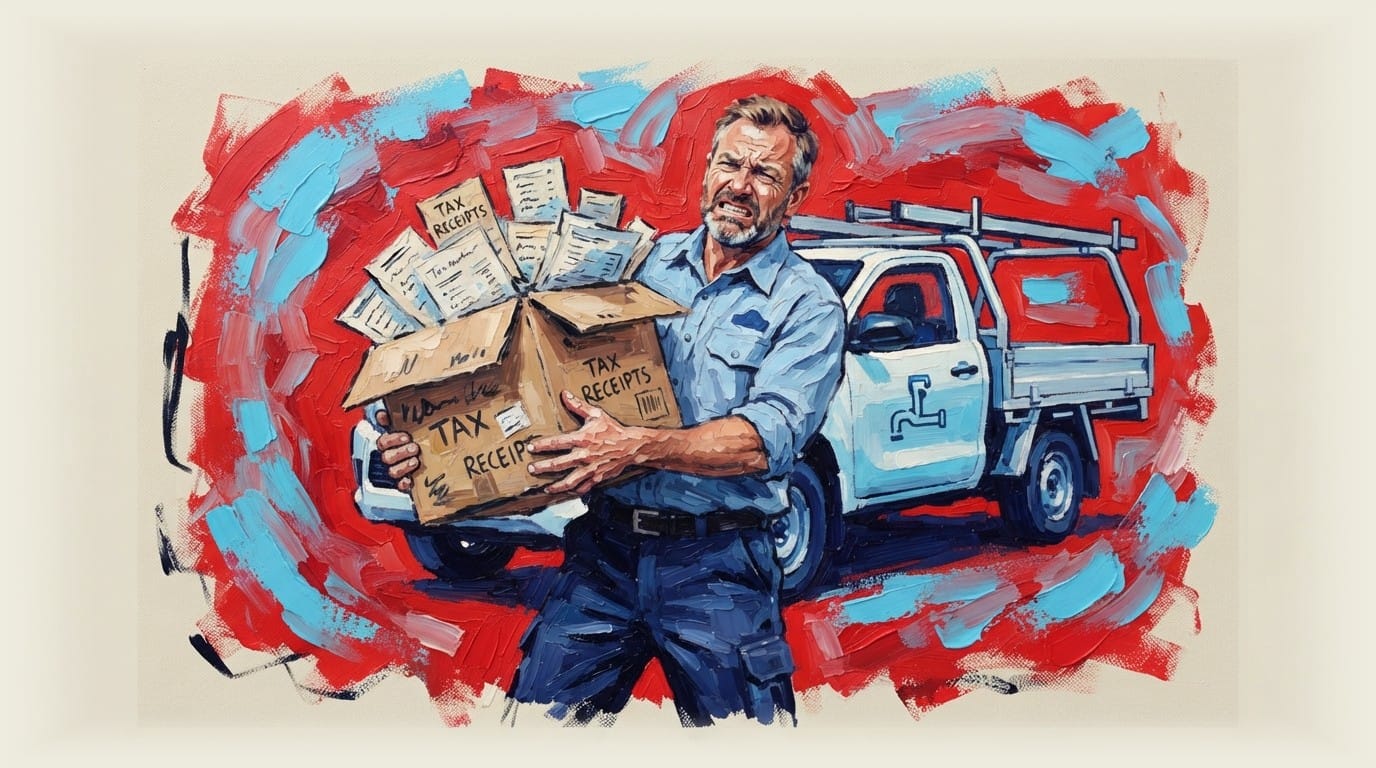
The government has a problem with its tax story, and it knows it. Since the May budget, the negative gearing and capital gains tax reforms have consumed most of the political oxygen, and not in a flattering way. So when the second tranche of the Treasury Laws Amendment (Tax Reform No. 2) Bill passed the Senate on 19 August, the accompanying press release leaned hard on the beneficiaries: 2.7 million small businesses, 85,000 companies getting loss carry-back relief, and $32 million in annual compliance savings. The numbers are real. The question is whether the policy behind them is.
The instant asset write-off is administrative tidying dressed as a gift
Start with the instant asset write-off, because this is where the political framing does the most work. The government is presenting permanence as a gift to small business. But the $20,000 threshold has been in place in some form since 2015, regularly extended, regularly allowed to lapse, and regularly extended again. Making it permanent removes the annual uncertainty, which is worth something, but the compliance saving of $32 million across 2.7 million businesses works out to roughly $11 per business per year. That is not nothing. It is also not a rounding error on the cost of an accountant.
Loss carry-back solves a real asymmetry — but the design favours the already well-advised
The more substantive measure is loss carry-back. Under this scheme, a company that posts a loss in a given tax year can apply that loss against tax it paid up to two years earlier, generating a refundable tax offset. For a small company that had a good year in 2024-25 and a rough one in 2025-26, that is real money returned at a time it is needed. The logic is sound. Businesses do not run to a neat annual schedule, and a tax system that only captures losses on a go-forward basis treats bad years more harshly than good years deserve.
Loss carry-back has also been tried before. It was introduced by the Morrison government as a pandemic measure in 2020 and ran through to 2022-23. The policy has a track record, and the evidence from that period suggests it did deliver genuine cash flow support to businesses operating at a loss during a period of acute stress. Reintroducing it is not an unreasonable call.
But the design has a catch. To access the offset, a company must lodge its tax return, calculate its prior year tax liability, determine the eligible carry-back amount, and ensure it does not exceed certain thresholds, including that the resulting offset does not push the company's franking account into deficit. That last condition is not a minor technical footnote. It requires a reasonably precise understanding of how franking credits have accumulated and been distributed, the kind of calculation most small business owners will not do themselves. As The Bearing has noted in the context of small business CGT concessions, the compliance burden required to access tax benefits often falls hardest on the businesses least equipped to bear it.
The businesses most likely to extract the full value of loss carry-back are the ones with accountants already across their corporate tax position.
The government's press release says the reforms support "sensible risk-taking." That is the intent. The structure, however, means the businesses most likely to extract the full value of loss carry-back are the ones with accountants already across their corporate tax position. Sole traders are excluded entirely, as the scheme only applies to companies. Many of the 85,000 businesses the government cites are companies in name but operate more like individuals, with limited administrative bandwidth and no CFO to run the numbers before lodgement.
The ATO's existing debt burden makes a new refundable offset mechanism harder to absorb
There is also a broader context worth holding onto. A June 2026 ANAO audit found the ATO is already struggling to manage $35.9 billion in collectable small business tax debt, roughly two-thirds of the national total. Adding a refundable offset mechanism with franking account conditions does not obviously reduce that administrative pressure.
Loss carry-back addresses a genuine asymmetry in the tax system. Permanent write-off thresholds are preferable to annual uncertainty. The government is not wrong that 85,000 businesses stand to benefit. But "stand to benefit" and "will benefit" are not the same sentence, and the gap between them is often measured in professional fees.
The honest description of this legislation is that it removes a minor irritant for small business owners, and delivers a meaningful but technically complex relief mechanism that will work best for those already well-advised. That is worth passing. It is not worth calling reform.
Sources
Treasury — Next Tranche of Tax Reforms Pass the Parliament
The Bearing — Tax Reform's Hidden Cost: What Small Business Actually Pays When Government Simplifies
The Bearing — ATO Struggles to Enforce Small Business Tax
The Bearing — Coalition Launches Tax Change for Small Business
Frequently Asked Questions
What does making the instant asset write-off permanent actually mean for small businesses?
It removes the annual uncertainty of waiting for the threshold to be extended, which had been a recurring cycle since 2015. The compliance saving works out to roughly $11 per business per year across the 2.7 million eligible businesses — useful, but not transformative.
How does loss carry-back work for small companies in Australia?
A company that makes a loss in a given year can apply that loss against tax it paid in the previous two years, generating a refundable tax offset — meaning cash returned, not just a future deduction. To access it, the company must ensure the offset does not push its franking account into deficit, which requires a precise accounting of how franking credits have been accumulated and distributed.
Can sole traders access the loss carry-back scheme?
No. The scheme applies only to companies, excluding sole traders entirely. Many small businesses structured as companies in name operate more like individuals, with limited administrative capacity to navigate the franking account conditions required to claim the offset.
Why do complex tax concessions often fail to reach the businesses they target?
The compliance burden required to access technical benefits — calculating prior year tax liabilities, tracking franking account balances, meeting eligibility thresholds — typically requires professional advice. Businesses that can least afford an accountant are therefore least likely to successfully claim the relief the policy was designed to deliver.
Has loss carry-back been tried in Australia before?
Yes. The Morrison government introduced it as a pandemic measure in 2020, running through to 2022-23. Evidence from that period indicates it did provide genuine cash flow support to businesses posting losses during acute economic stress, which informed the decision to reintroduce it now.