The real winner from gambling reform
Australia's new gambling bill has real measures — but it stops exactly where the tax revenue starts to get uncomfortable.

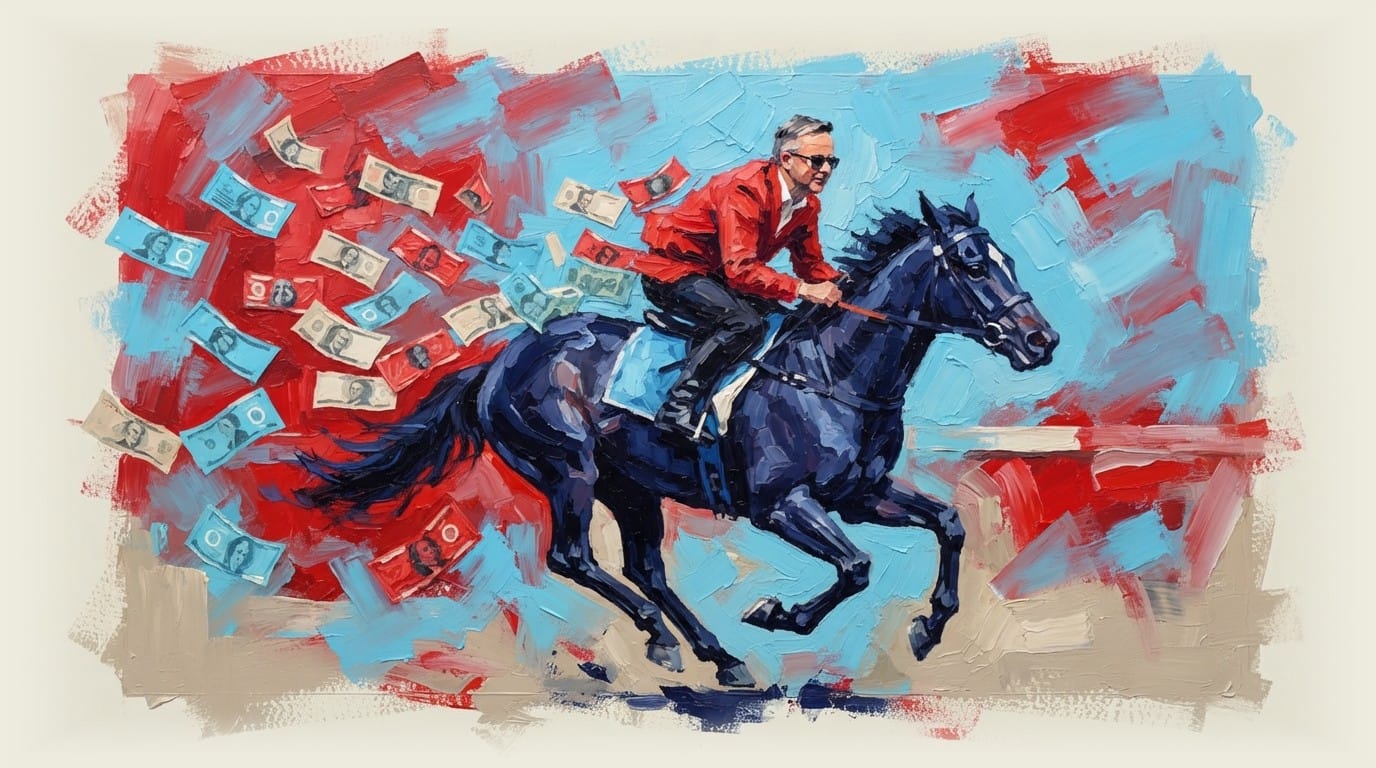
Australia has the highest gambling losses per capita in the world, a distinction we have held for decades, and the federal government has just passed legislation to address it. The Interactive Gambling Amendment (Gambling Reform) Bill contains real measures. It also contains enough gaps to drive a pokies van through. The question worth asking is not whether the bill is better than nothing, but why it stops exactly where it does.
The government ignored its own inquiry's unanimous verdict
The 2023 Murphy inquiry is the starting point for understanding how far short this bill falls. It reached something genuinely rare in Australian politics: multi-partisan consensus, across all 31 recommendations. The headline ask was a comprehensive ban on all gambling advertising across all media, phased in over three years to give sports broadcasters and codes time to find replacement revenue. The inquiry also called for an immediate, full ban on inducements. These were not fringe recommendations from gambling abolitionists. They were the considered output of a process the government itself commissioned.
What the government delivered instead is a daytime cap on TV gambling ads that still permits three per hour between 5am and 8:30pm. The radio ban applies only on school days, and only for two hours on those days. Restrictions on advertising during live sport are a genuine step forward. The addition, after Coalition negotiation, of an opt-out register for online wagering advertising is useful. But the Murphy inquiry's phased path to a full ban? Absent. The immediate ban on inducements? Partially addressed, still leaking.
That is not a coincidence. That is a policy outcome someone chose.
This is the architecture of a political manoeuvre rather than a policy solution. The government can point to a bill. It can point to new restrictions. It can point to bipartisan passage. What it cannot point to is any mechanism that would actually drive gambling advertising toward zero, because no such mechanism was written into the legislation.
The $10 billion reason the bill stops where it does
The money explains the gap. As we've reported before, state and federal governments collect more than $10 billion a year from gambling taxes, and the structural logic of Australia's federal funding model means neither level of government has a genuine incentive to shrink the industry. Pokies revenue funds state budgets. Online betting taxes are a growing federal line item. A bill that comprehensively curtailed gambling advertising would, over time, shrink the industry's reach and, with it, the tax take. The government did not write that bill.
The Grattan Institute's Kate Griffiths, writing in The Conversation, makes the mechanism plain: gambling losses per person have grown almost every year since 1975. One million Australians suffer from, or live with someone suffering from, severe gambling harm. These are not contested numbers. They appear in the bill's own explanatory memorandum. The government knows the scale of what it is regulating. The bill's design cannot be explained by ignorance.
Adequate reform has already been written — the government just chose not to legislate it
What would adequate reform look like? The Murphy inquiry sketched it clearly: a phased advertising ban, mandatory pre-commitment schemes with maximum loss limits for high-risk products, and a national framework for online gambling. The states would need to carry pokies reform. The federal government could have used this bill to establish the architecture for that national coordination. It chose not to.
Two Coalition MPs crossed the floor in protest that the bill did not go far enough. Ninety submissions to the Senate inquiry called for it to be strengthened. The government's own commissioned inquiry unanimously said something more was needed. The bill passed anyway, in the shape it was in, with the backing of both major parties. The Senate hearing that preceded all this, which we covered when the bill first arrived, foreshadowed exactly this outcome: a process designed to look like action while the underlying incentive structure went untouched.
The Grattan Institute's warning is worth sitting with: squibbing this reform makes it more likely the issue returns. Partial bans, by definition, leave the problem in place. Gambling harm does not plateau because advertising is restricted for two hours on school day radio. The one million Australians living with severe gambling harm are still there after this bill passes. The revenue governments collect from the industry that harms them is still there too.
That is not a coincidence. That is a policy outcome someone chose.
Sources
The Bearing — Senate to think about how to take tax from modern punters
Frequently Asked Questions
What did Australia's gambling reform bill actually change?
The Interactive Gambling Amendment (Gambling Reform) Bill introduced a daytime cap allowing up to three gambling ads per hour on TV between 5am and 8:30pm, a limited radio ban on school days, and restrictions on advertising during live sport. It also created an opt-out register for online wagering advertising. It did not implement the comprehensive advertising ban recommended by the government's own 2023 Murphy inquiry.
Why didn't Australia ban gambling advertising completely?
State and federal governments collect more than $10 billion a year in gambling taxes, giving neither level of government a genuine financial incentive to shrink the industry. A comprehensive advertising ban would, over time, reduce gambling's reach and with it the government tax take — and no such mechanism was written into the legislation.
What did the Murphy inquiry recommend on gambling advertising?
The 2023 Murphy inquiry — commissioned by the federal government — reached unanimous multi-partisan consensus across all 31 recommendations, including a comprehensive ban on all gambling advertising phased in over three years and an immediate full ban on inducements. The government implemented neither recommendation in full.
How many Australians are affected by gambling harm?
One million Australians suffer from severe gambling harm or live with someone who does, according to figures that appear in the bill's own explanatory memorandum. Gambling losses per person in Australia have grown almost every year since 1975, and Australia holds the highest gambling losses per capita in the world.
Does partial gambling advertising reform actually reduce harm?
The Grattan Institute has warned that partial reform makes it more likely the issue returns rather than being resolved. Gambling harm does not plateau from limited restrictions like a two-hour radio ban on school days — the one million Australians living with severe gambling harm remain, as does the government revenue collected from the industry causing that harm.