There’s good money in drugs. $600 million.
Australia is spending $600 million to stop cocaine crossing the Pacific — but the question no one in government is answering is why it keeps coming.

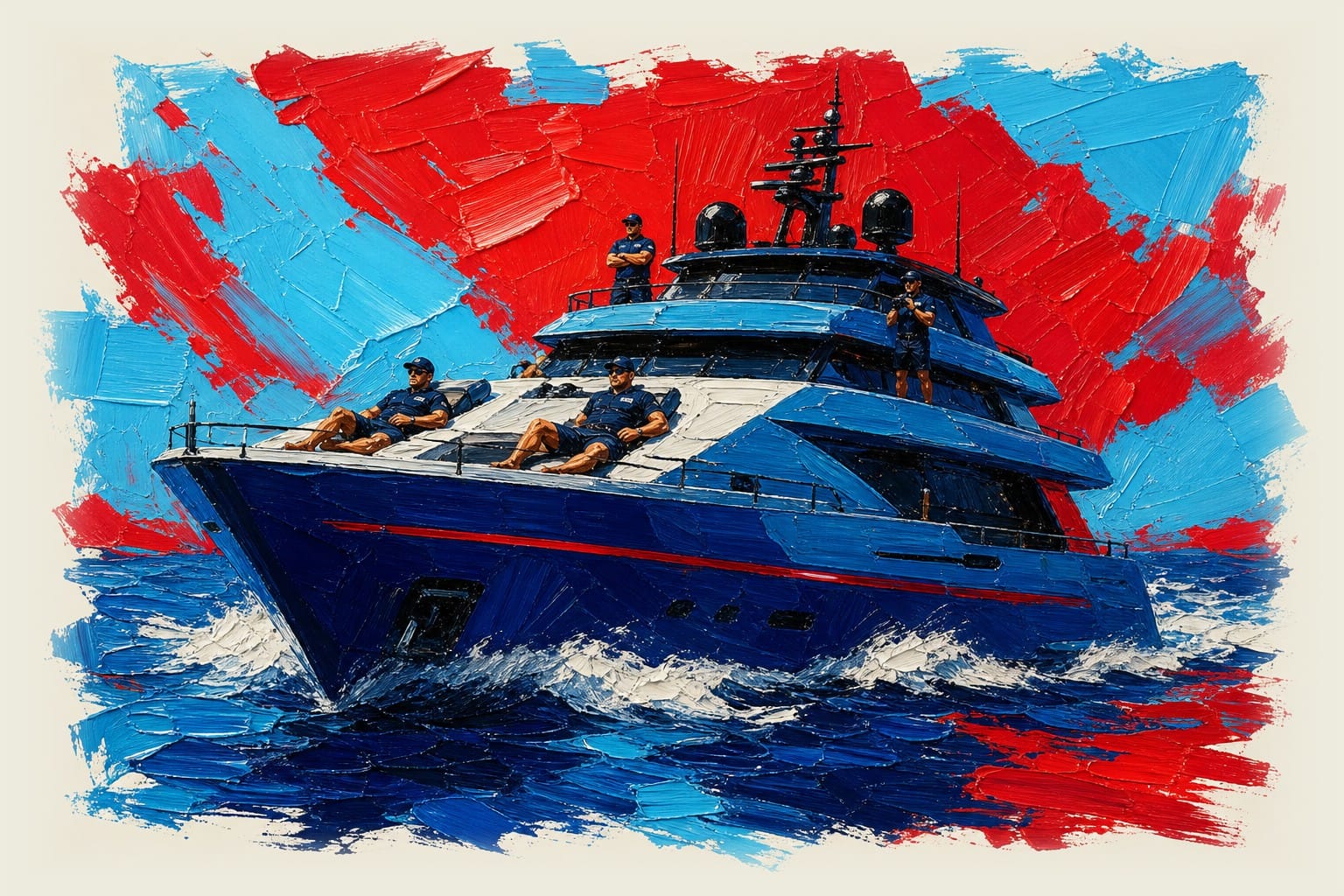
Australia has announced it will spend $600 million over the next decade to intercept drug shipments moving through the Pacific, targeting the narco-submarines, black-flight planes and rogue pleasure craft that cartels are using to warehouse cocaine and methamphetamine in the island nations before pushing them south into Australian and New Zealand markets. The scale of the problem is real: the Australian Federal Police seized 17 tonnes of illicit drugs in the Pacific in just the first five months of 2026, more than three times the total seized across all of 2025.
The Pacific didn't become a cocaine warehouse by accident
The program, announced at the Pacific Islands Forum in Palau, funds AFP counter-organised crime programs, Department of Defence maritime and aerial surveillance, and broader regional security coordination under the Waqa Moana Initiative. Pacific Island nations asked for exactly this kind of support, and the problem is genuinely theirs too: methamphetamine is driving hospitalisation rates up across the islands, organised crime groups are destabilising communities, and local law enforcement is chronically under-resourced. Roughly 25,000 islands across a vast maritime zone, about 2,000 of them inhabited, with porous boundaries and minimal customs infrastructure. It is not a policing problem that more determination alone can solve.
The structural conditions that make the Pacific attractive to traffickers have taken years to build up. Australian and New Zealand outlaw motorcycle gangs, including the Rebels and the Head Hunters, have expanded into the islands over the past decade, providing a ready-made connection between South American and Mexican cartels and Pacific distribution networks. Australia and New Zealand's deportation policies have compounded the problem, returning people with criminal records to island nations with limited support services, where some inevitably cycle back into organised crime. The Pacific didn't choose to become a cocaine warehouse. Geography, policy, and organised crime's talent for finding the path of least resistance put it there.
The surveillance investment makes sense within those parameters. As the evidence on targeted policing consistently shows, law enforcement presence does suppress criminal activity in the areas where it is concentrated. The AFP's record hauls in 2026 suggest the increased operational tempo is already finding product. And the Pacific Island nations badly need the infrastructure investment, which carries its own strategic value at a moment when China's assertiveness in the region is testing Australian influence at every level.
Supply disruption has a track record, and it isn't reassuring
But there is a version of this story that drug enforcement agencies have lived through many times, and it does not end with the problem solved. When supply routes get disrupted, they move. Narco-submarines beach on a different island. Black-flight routes adjust to avoid new radar coverage. The stockpiles shift. The cocaine still gets to Australia, just via a longer path and at slightly higher cost — which, given how much Australians are willing to pay for it, barely registers as a constraint. A 2026 European Union Drugs Agency analysis found Australians and New Zealanders were among the world's highest per capita consumers of cocaine, amphetamines, methamphetamine, and MDMA combined. That demand does not disappear because a Pacific patrol boat intercepts a shipment.
The Pacific's cocaine highway runs to Australia because Australia is where the market is. That is the piece of the problem $600 million on maritime surveillance was never going to reach.
This is the core tension the government has not answered. The $600 million is aimed squarely at supply. The demand that makes the supply worth shipping gets no mention in the announcement. Drug policy researchers have pointed to this gap for decades, and the political incentives run hard against filling it. "We seized 17 tonnes" is a press conference. "We are reconsidering how we treat drug consumption" is a different kind of conversation entirely.
The tobacco black market offers an uncomfortable lesson
There is also an awkward domestic context here. Australia's organised crime problem right now is not primarily a cocaine story in the public imagination — it is an illicit tobacco story, where aggressive excise policy pushed consumers toward a black market that organised crime then captured at scale. The lesson from tobacco is instructive: when the price incentive to circumvent legal channels is strong enough, circumvention follows. Australian cocaine consumers have price incentives that dwarf anything in the tobacco market, and they face a legal environment that treats personal use as a criminal matter, which pushes the whole ecosystem underground and hands it to the same networks the government is now spending $600 million to disrupt.
The Waqa Moana Initiative is not a bad program. Pacific Island leaders asked for it, the surveillance gaps it targets are real, and the regional stabilisation benefits are worth having on their own terms. But $600 million deployed against a problem that is fundamentally driven by domestic demand is a bet on the supply side working where it has rarely worked before. The Pacific's cocaine highway runs to Australia because Australia is where the market is. That is the piece of the problem $600 million on maritime surveillance was never going to reach.
Sources
The Conversation — The Pacific's cocaine highway: will Australia's $600m deal really help?
Frequently Asked Questions
What is Australia's Waqa Moana Initiative?
The Waqa Moana Initiative is a $600 million, decade-long Australian program announced at the Pacific Islands Forum in Palau. It funds AFP counter-organised crime operations, Defence maritime and aerial surveillance, and regional security coordination across the Pacific. Pacific Island nations requested the program in response to rising drug trafficking and organised crime destabilising their communities.
Why is the Pacific being used as a drug transit route to Australia?
The Pacific's roughly 25,000 islands — about 2,000 of them inhabited — offer vast maritime space, porous borders, and minimal customs infrastructure, making interception difficult. Outlaw motorcycle gangs from Australia and New Zealand have spent a decade building connections between South American cartels and Pacific distribution networks, creating a ready-made supply chain pointing south.
Does intercepting drug shipments actually reduce drug use?
The historical record is not encouraging. When supply routes are disrupted, traffickers adapt — rerouting submarines, adjusting flight paths, shifting stockpile locations — and the drugs still reach their destination at modestly higher cost. Because Australian cocaine consumers are among the world's highest per capita users, small price increases from interdiction rarely dent demand enough to matter.
Why doesn't Australia address drug demand instead of just supply?
Drug policy researchers have flagged this gap for decades, but the political incentives run against it. Announcing record seizures is a straightforward press conference; reconsidering how personal drug consumption is treated legally is a far more contested conversation. The $600 million Waqa Moana announcement contains no demand-side measures.
What does Australia's illicit tobacco problem have to do with cocaine trafficking?
Both are case studies in what happens when the price incentive to avoid legal channels is strong enough: organised crime fills the gap. Aggressive tobacco excise created a black market that criminal networks captured at scale; cocaine operates under an even stronger incentive structure, with personal use treated as criminal, pushing the entire ecosystem underground and into the hands of the same networks the government is now spending $600 million to disrupt.