Chalmers claims savings while spending surges: the budget math that doesn't add up
The Treasurer named his savings figure with precision. He was quieter about what gets spent alongside them — and that gap is what the May budget will have to answer for.

Chalmers claims savings while spending surges: the budget math that doesn't add up
The Treasurer went on television on Sunday with a number he wanted people to remember: $178 billion in savings. The May budget, he said, would continue a pattern of responsible fiscal management, with spending cuts, tax reform, and productivity measures designed to show the government is not adding fuel to the inflationary fire. It was a confident performance. It was also, on closer inspection, a number being asked to do more work than it can carry.
A savings figure without a spending figure is not fiscal information
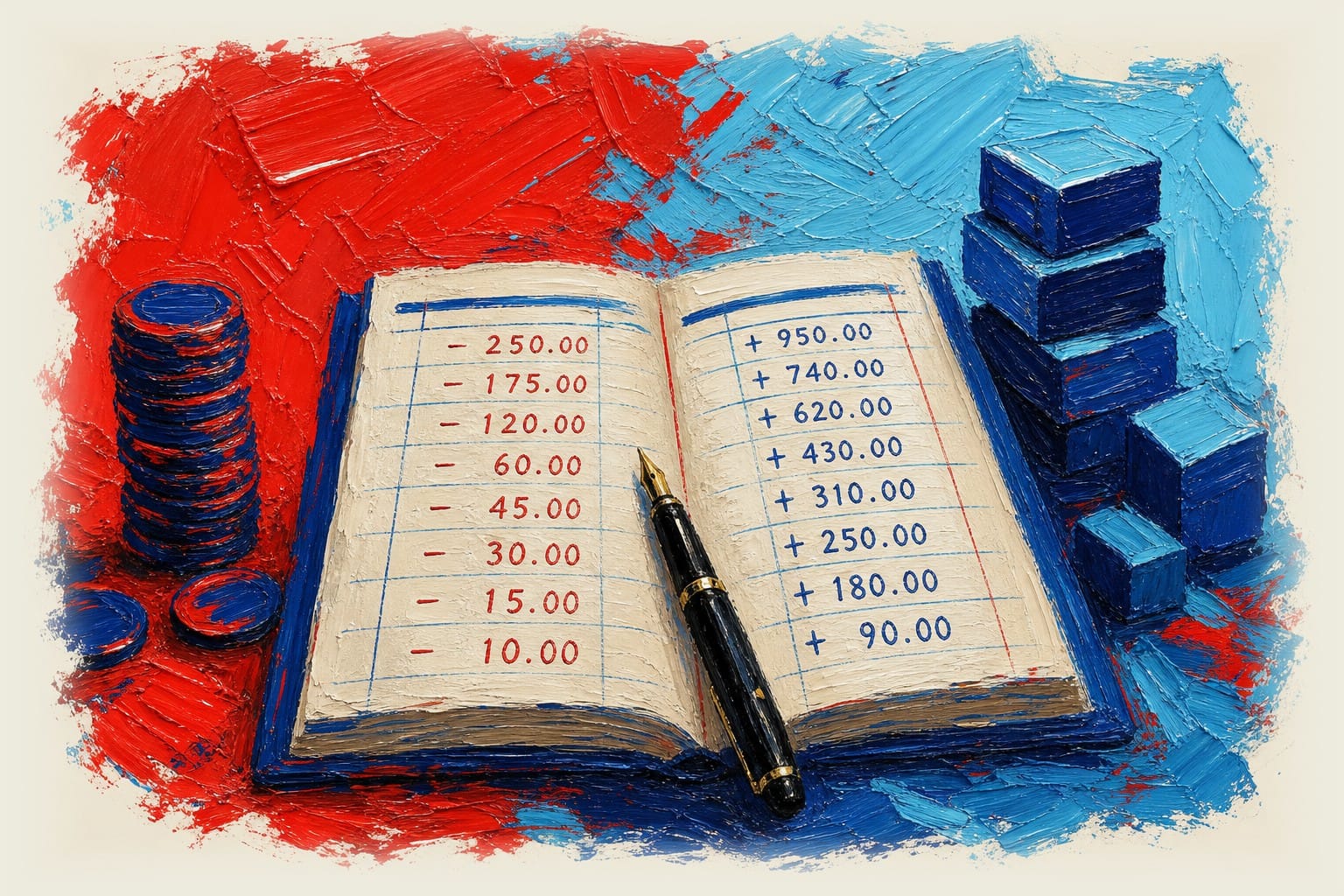
The savings number is real. Since coming to office, the government has identified and catalogued genuine spending reductions and revenue improvements, and the cumulative budget improvement of $233.5 billion through to 2028-29 is a legitimate piece of fiscal architecture. But a savings figure stripped of its context is not fiscal information - it is fiscal marketing. What matters for inflation, and for the economy's overall demand level, is not how much you cut from one line but what you do with it.
Alongside the savings, the next budget update will include expanded Medicare spending, cost-of-living relief measures, and further tax cuts. These are not hypothetical additions whispered by critics — they are the Treasurer's own announcements, made in the same breath as the savings claims. The government is finding money with one hand and spending it with the other, which is not inherently wrong, but it is not what "spending restraint" typically means.
Think of it like a household that tells you it has cut the grocery bill by $200 a fortnight. True. But if they also signed up for a new streaming service, a gym membership, and are sending the kids to a private tutor, the grocery saving does not tell you very much about whether they are living within their means. What you need is the net position, and that is precisely what the Treasurer did not offer.
The government is finding money with one hand and spending it with the other, which is not inherently wrong, but it is not what "spending restraint" typically means.
Cost-of-living relief still registers in an inflation model
The Reserve Bank, which lifted official interest rates just last week with markets pricing at least one more rise by the end of the year, has been watching this dynamic closely. As we covered when the RBA last moved, the spending the Bank is most concerned about is not always the spending politicians find easiest to defend — and government outlays that arrive as household relief can still add to aggregate demand, regardless of how they are labelled politically. Cost-of-living payments and Medicare expansions put money in people's pockets. That is the point of them. It is also why they register in an inflation model.
The government may have made the right trade-off — but it is not presenting it as one
There is a legitimate case that some inflation is supply-driven and that cost-of-living relief targets the right households at the right time. There is also a plausible argument that productivity reform, if it actually materialises, can expand the economy's capacity and reduce price pressure over time. Australia's productivity numbers have been disappointing enough that any serious reform agenda deserves attention. The government may have made the right trade-off. The problem is that it is not presenting it as a trade-off at all.
The framing Chalmers chose — savings, restraint, fiscal responsibility — implies that the budget is pulling inflationary pressure down. The actual budget appears to be doing something more complicated: reducing some spending, increasing other spending, and hoping the net effect is either neutral or better for inflation. That might be the right bet. But it is a bet, not a balance sheet, and voters and markets are entitled to see it labelled accurately.
What made the interview revealing was not what Chalmers said about savings. It was what he did not say about spending. The $180 billion figure arrived with press release precision. The new spending arrived quietly, as a series of individually popular policies, each with its own political rationale. When you add them together, the picture the Treasurer was drawing does not quite match the picture the budget is actually painting.
The test of the next budget update will be whether the independent costings and forward estimates confirm what the framing implies, or reveal the gap between them. If net spending growth continues alongside rising rates, the argument that government is not contributing to inflation becomes harder to sustain, regardless of how large the savings column gets.
Frequently Asked Questions
What is the $180 billion in savings the Treasurer is claiming?
Since coming to office, the Albanese government has catalogued spending reductions and revenue improvements that it values at $180 billion in savings. The cumulative improvement to the budget bottom line through to 2028-29 is $233.5 billion. Neither figure accounts for new spending announced in the same budget cycle.
Can a government cut spending and still add to inflation at the same time?
Yes. What matters for inflation is net demand — the total of all spending added minus all spending removed. A government that cuts $180 billion in one area but adds comparable or greater amounts through Medicare, cost-of-living relief, and tax cuts can still increase aggregate demand and contribute to price pressure, even while legitimately claiming savings.
Why does cost-of-living relief count as inflationary if it helps struggling households?
Cost-of-living payments and Medicare expansions put money directly into household budgets, which increases spending power across the economy. The policy rationale and the inflationary effect operate independently — relief can be well-targeted and still register as demand stimulus in the Reserve Bank's models.
What will the next budget update actually show about Australia's fiscal position?
The budget update will include independent costings and forward estimates that will either confirm or contradict the Treasurer's framing. If net spending continues to grow while the RBA is raising rates, the claim that government is not contributing to inflation becomes difficult to sustain.
How is the RBA responding to government spending decisions?
The RBA raised official interest rates as recently as last week, with markets pricing at least one further rise by the end of the year. The Bank has been monitoring government outlays as a component of aggregate demand, and its concern extends to spending that is politically popular, including household relief measures.