Rising inflation hands One Nation a gift
The RBA and the Treasurer are telling different stories about why prices are rising — and the gap between them is exactly where Pauline Hanson operates.

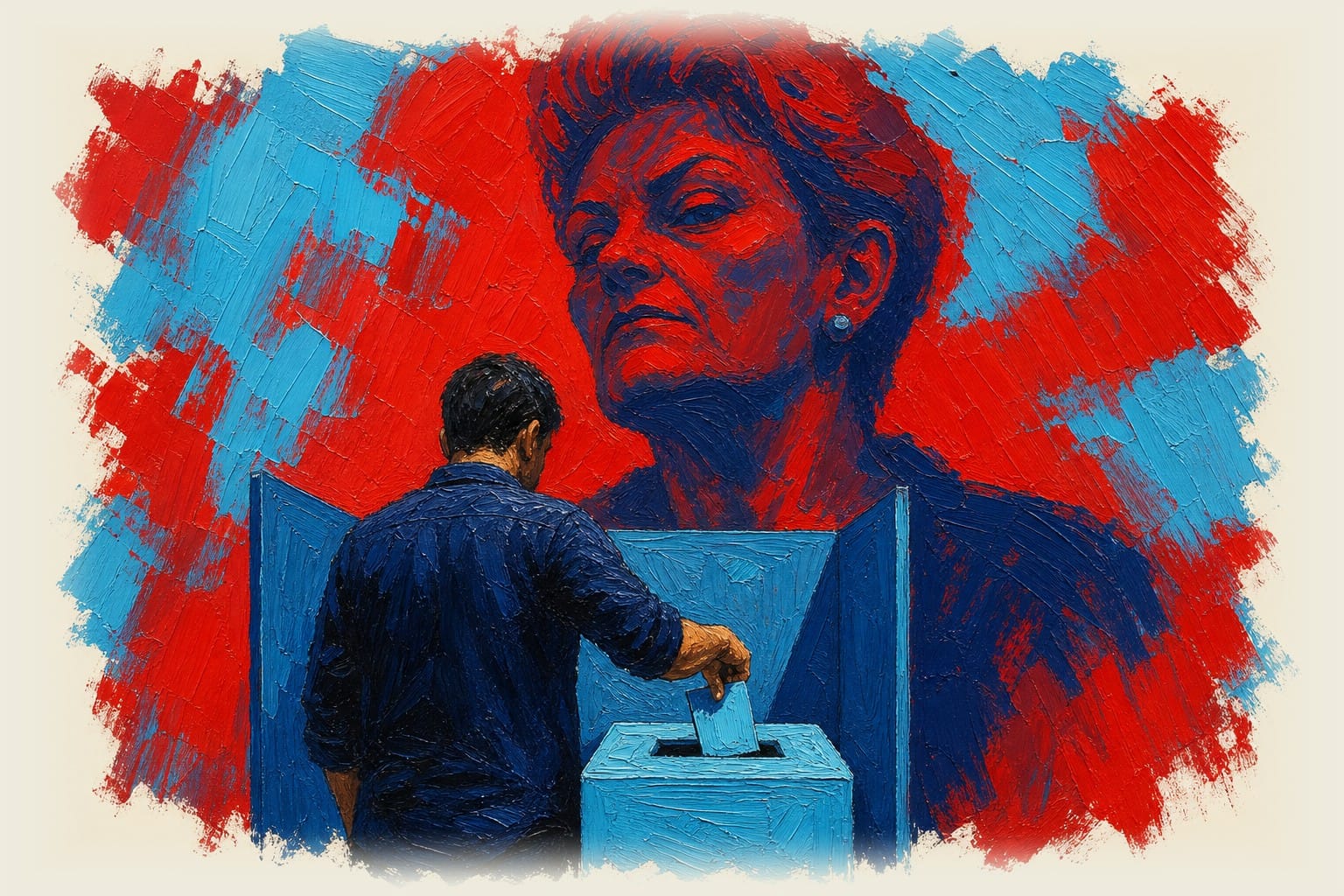
When voters are hurting and the government cannot explain why, the political space that opens up does not stay empty for long. Headline inflation hit 4 per cent in the year to August, unemployment is at a near five-year high, and the Reserve Bank lifted the cash rate to 4.6 per cent on Tuesday, its highest level in fifteen years. That is a bad week by any measure. It becomes a much worse one when the governor of the Reserve Bank publicly undercuts the treasurer's explanation for it.
The RBA and the treasurer are not telling the same story
RBA governor Michele Bullock, announcing Tuesday's rate rise, acknowledged the war in Iran as a complicating factor but made clear that excess domestic demand was doing its own independent work. That directly undercut Treasurer Jim Chalmers' preferred framing: that global disruption in the Strait of Hormuz was the real culprit. When a journalist asked Chalmers on Wednesday whether he was "gaslighting" voters, it was a rough question. The harder problem is that it was not an unreasonable one.
The political trap the government is in has a specific shape. Voters who are struggling want relief. Relief delivered through expanded spending puts more money into an economy that the RBA is already trying to cool. As we have written before at The Bearing, demand-side stimulus when supply is constrained does not lower prices, it raises them. The same mechanism that makes first home buyer grants a gift to sellers rather than buyers applies here: put more money in people's hands when supply cannot respond, and prices absorb it. So the government's instinct to help households is real, but the tools it reaches for risk making the underlying problem worse. And cutting health or social services to free up fiscal space would break faith with the voters it most needs to hold. There is no clean exit.
She does not need to explain the Strait of Hormuz. She does not need to balance a budget. She needs only to sound like she understands why you are angry, and she is genuinely good at it.
Which brings us to Pauline Hanson, who has never needed a clean exit, because she has never needed to govern.
Protest parties win on emotion, not policy
The structural advantage protest parties hold in moments like this is not ideological, it is emotional. When economic pain is sustained, abstract explanations stop working. People stop hearing "global headwinds" and "trimmed mean" and start hearing noise coming from people who cannot help them. Hanson's particular gift, refined over three decades in Australian politics, is that she reflects grievance back at voters in plain language without the burden of having to fix anything. She does not need to explain the Strait of Hormuz. She does not need to balance a budget. She needs only to sound like she understands why you are angry, and she is genuinely good at it.
One Nation's primary vote has been climbing in recent Guardian Essential polling. The Coalition under Angus Taylor is struggling to consolidate the same protest energy, partly because Taylor occupies an awkward position: this week he attacked Chalmers over the economy while simultaneously refusing to acknowledge any international dimension to inflation at all. That is its own kind of gaslighting, and it suggests the Liberal Party's economic messaging is not yet disciplined enough to capitalise cleanly on the government's difficulties.
Interest rate rises don't resolve with a news cycle
The historical parallel the Guardian's Tom McIlroy reaches for is the period after the Voice referendum, when Labor's polling collapsed and only recovered in the months immediately before the last election. But that recovery was driven by a single identifiable event the government could eventually move past. Sustained interest rate rises are different. They accumulate in people's mortgage statements every month. They do not resolve with a news cycle or a speech.
The government does have options, though they are all slow and expensive. Genuine supply-side reform, the kind that actually increases the stock of housing or reduces the structural costs of doing business, takes years to show up in prices. Some Labor MPs are privately urging exactly that course, pushing for serious reform and more support for small business. It is good advice. It is also the kind of advice that is genuinely difficult to act on when you are fighting a weekly political emergency.
One Nation does not need to win government to win this moment. It needs only to keep absorbing the anger that the government cannot defuse and the Coalition cannot quite capture. As we have noted before, Hanson has also adapted better than most to the media environment where that anger travels fastest. She does not need the press gallery. She needs the feed.
The government has been here before and found a way through. But last time, the economy was eventually working in its favour. This time it is not, and the RBA has warned that more rate rises are possible. If that warning becomes a reality, the anger that is currently drifting toward One Nation will not drift back easily.
Frequently Asked Questions
Why is Australian inflation rising in 2026?
Headline inflation hit 4 per cent in the year to August 2026, driven by a combination of global energy disruption linked to the war in Iran and excess domestic demand. The Reserve Bank has been explicit that both factors are at work, even as the government has emphasised the international dimension.
Why are interest rates so high in Australia right now?
The RBA lifted the cash rate to 4.6 per cent in October 2026 — its highest level in fifteen years — in response to persistent inflation. The RBA has flagged that further rises are possible if inflation does not ease.
How does One Nation benefit from rising inflation?
Protest parties like One Nation gain when sustained economic pain erodes trust in mainstream political explanations. One Nation can voice voter anger without carrying any responsibility for fixing the underlying problem — a structural advantage that grows the longer the pain continues.
Why can't the government just spend more money to help households with cost-of-living pressure?
Demand-side spending — putting more money into people's hands — risks worsening inflation when supply cannot respond quickly enough to absorb it. The same mechanism that makes first home buyer grants a windfall for sellers rather than buyers applies: more money chasing constrained supply pushes prices up, not down.
What would actually bring Australian inflation down?
Supply-side reform — increasing housing stock, reducing structural business costs — is the intervention most likely to lower prices durably. The problem is that such reforms take years to show up in prices, making them politically difficult for a government managing a short-term crisis.